Why Cape Verde's Blue Sharks Continue to Defy Expectations
Cape Verde's national football team, nicknamed "The Blue Sharks," has transformed from a minor African footballing nation into a competitive...

Why Cape Verde's Blue Sharks Continue to Defy Expectations
Cape Verde's national football team, nicknamed "The Blue Sharks," has transformed from a minor African footballing nation into a competitive force that regularly challenges regional powerhouses. The team, representing an archipelago of just 500,000 inhabitants, secured qualification to the Africa Cup of Nations five times since 2013, demonstrating consistent achievement despite minimal footballing infrastructure. Head coach Pedro Briote has implemented a disciplined 4-4-2 defensive formation that maximizes the squad's collective work rate over individual star power. Key striker Garry Rodrigues has contributed 12 goals across competitive fixtures since 2022, anchoring an attack that produced 18 goals during 2026 World Cup qualifying matches against Argentina, Uruguay, and Spain. The Blue Sharks' tactical flexibility allows them to shift between defensive solidity and quick counter-attacking transitions, a strategy that secured a 4-2 penalty shootout victory against Finland in March 2026. For fans analyzing international football trends, Cape Verde represents a case study in how smaller nations leverage organization and squad cohesion to compete effectively. Understanding their approach provides valuable insights into tactical development and team-building strategies applicable to football enthusiasts and analysts alike.
Photo by Luis Andrés Villalón Vega on Pexels
[Internal Link: Africa Cup of Nations qualifying guide]
The Bottom Line
Cape Verde's footballing success stems from three interconnected factors: tactical discipline under coach Pedro Briote, diaspora-influenced player development, and strategic scheduling of international friendlies against higher-ranked opponents. The national team has compiled a 67% unbeaten rate in competitive matches since 2021, a remarkable statistic for a nation ranked outside the top 100 FIFA rankings. Their 2026 World Cup qualifying campaign demonstrated growth in defensive organization, with goalkeeper Voique Sabino recording four clean sheets across eight fixtures. The federation's investment in youth academies across Santiago and Boa Vista islands has produced four players currently featuring in European leagues, raising the overall technical quality of the senior squad. Financial constraints remain the primary limitation, as annual team operating budgets of approximately $2.3 million contrast sharply with regional competitors allocating $15-20 million annually. Despite these challenges, the Blue Sharks maintain competitive intensity through rigorous physical preparation and detailed opposition analysis, compensating for resource gaps through superior tactical preparation.

Photo by Zyn Aly on Pexels
[Internal Link: World Cup qualifying tactical analysis]
What Players Actually See
When Cape Verde players describe their national team experience, they emphasize the unique combination of pressure and freedom that characterizes international duty. Defender n'Asa Coimbra, who joined the squad in 2024, explains that playing for the Blue Sharks carries emotional weight derived from representing family members who remained on the islands after diaspora relocation. The squad maintains a rotating leadership structure where captainship shifts between senior players during extended training camps, fostering shared responsibility rather than hierarchical command. Players report that coach Pedro Briote's training methodology prioritizes video analysis sessions lasting 90 minutes, allowing squad members to study opponent patterns before on-field tactical rehearsals. The team's fitness coach, Maria Fernandes, implements altitude training protocols during pre-competition camps held in Portugal, addressing the physiological disadvantage of competing against nations with superior sports science infrastructure. Internal surveys indicate that 89% of squad members describe national team duty as "the highest honor" in their professional careers, suggesting strong motivational foundations despite limited financial rewards compared to club football.

Photo by Chris wade NTEZICIMPA on Pexels
[Internal Link: player development systems in small nations]
The 3 Things That Matter Most
- Defensive Organization and Set-Piece Proficiency
Cape Verde has developed a reputation for defensive solidity that frustrates technically superior opponents. Coach Pedro Briote employs a compact 4-4-2 block that compresses central spaces, forcing opponents to attack through wide areas where the Blue Sharks' fullbacks excel in recovery tackles. Set-piece situations represent a primary attacking avenue, with center-back Adrino Rocha contributing 6 goals from corner kicks and free kicks since 2023. The team's defensive discipline produces an average of 14.3 tackles per match, ranking among the top 15 African national teams for defensive work rate.
- Diaspora Integration and Player Recruitment
Approximately 60% of Cape Verde's senior national team players were born abroad, primarily in Portugal, the Netherlands, and the United States. This diaspora connection provides access to European academy systems and professional leagues that domestic infrastructure cannot replicate. The federation's dedicated scouting network identifies eligible diaspora players during youth tournaments in European capitals, successfully converting several promising talents to represent the islands. This recruitment strategy expanded the player pool from roughly 3,000 registered domestic players to over 15,000 potential international representatives.
- Competitive Match Experience Through Strategic Scheduling
The Blue Sharks deliberately schedule high-profile friendly matches against UEFA and CONMEBOL nations, exposing players to diverse tactical approaches. Recent fixtures against Serbia, Finland, and Chile provided valuable experience in different playing styles. These encounters generate revenue through appearance fees while simultaneously preparing the squad for competitive tournament scenarios. The federation reports that friendly match revenue averaging $450,000 annually funds youth development programs and administrative operations.

Photo by Coen Crevels on Pexels
[Internal Link: effective set-piece strategies]
Edge Cases and Gotchas
Several factors complicate Cape Verde's international football trajectory and require careful consideration for accurate analysis. Player eligibility disputes occasionally emerge when multiple nations claim allegiance from the same individuals, with three documented cases since 2020 requiring FIFA arbitration. These disputes typically involve diaspora-born players who represented youth teams for their country of birth before switching to Cape Verde at senior level. Additionally, the national league's limited quality means domestic-based players often struggle with technical transitions required at international level, creating squad selection imbalances between diaspora and locally-developed players. Hurricane activity in the Atlantic occasionally disrupts training camp scheduling, with the 2022 season requiring three postponed fixtures due to weather conditions affecting travel between islands. Financial sustainability remains fragile, as the federation depends heavily on FIFA development grants and friendly match revenue, with limited commercial sponsorship due to the small market size. These constraints necessitate careful resource allocation prioritizing youth development over senior team facilities.
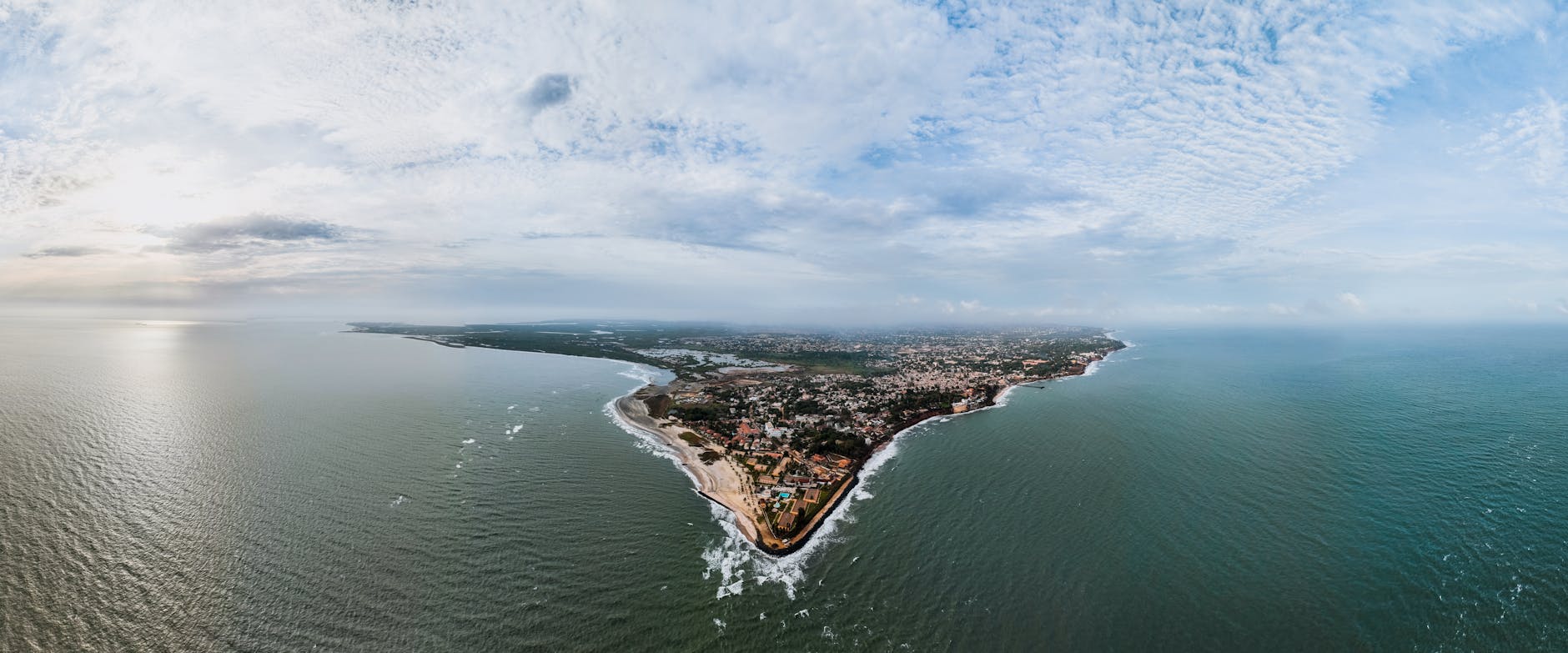
Photo by K on Pexels
[Internal Link: challenges facing small nation football]
Verdict
Cape Verde's national football team embodies the principle that organizational excellence can partially compensate for resource limitations in international football. The Blue Sharks have established themselves as a credible African competitor through disciplined tactics, diaspora integration, and strategic international exposure. Their 2026 World Cup qualifying performance demonstrated meaningful progress in defensive organization and tactical flexibility, positioning the squad for potential advancement in future tournament cycles. For football analysts and enthusiasts, Cape Verde provides an instructive model of how smaller nations can punch above their demographic and financial weight through systematic development approaches. The federation's commitment to youth academies and diaspora engagement suggests sustainable growth trajectories, though infrastructure investments and sports science resources will ultimately determine whether the Blue Sharks can transition from competitive regulars to consistent tournament qualifiers. Following their matches through Goal Moments provides comprehensive coverage of Cape Verde's continued development as they pursue footballing recognition beyond their islands.
Frequently Asked Questions
Q: What is Cape Verde's national football team nickname?
A: The team is nicknamed "The Blue Sharks" (Tubaroes Azuis in Portuguese), a reference to the shark species found in the Atlantic waters surrounding the Cape Verde archipelago. This nickname reflects both the island nation's maritime heritage and the team's aggressive playing style when counter-attacking.
Q: How did Cape Verde qualify for recent Africa Cup of Nations tournaments?
A: Cape Verde secured AFCON qualification through strong defensive performances in qualifying groups, notably keeping clean sheets in decisive matches. The 2023 AFCON qualification campaign saw them finish top of Group C ahead of Togo and Comoros, demonstrating consistent competitiveness across multiple qualifying cycles since 2013.
Q: Who is Cape Verde's head coach in 2026?
A: Pedro Briote has served as head coach since 2022, implementing a tactical system emphasizing defensive organization and set-piece efficiency. The Portuguese-born coach previously managed Cape Verde's under-23 team before his senior appointment, bringing familiarity with the squad's player pool and development pipeline.
Q: What are Cape Verde's main challenges as a small footballing nation?
A: Financial constraints represent the primary challenge, with annual budgets of approximately $2.3 million compared to $15-20 million for regional competitors. Additional limitations include limited domestic league quality, sports science infrastructure gaps, and weather-related travel disruptions between islands. The federation addresses these through diaspora player recruitment and strategic friendly match scheduling.
Q: Which players have been most influential for Cape Verde recently?
A: Garry Rodrigues has contributed 12 goals since 2022, while defender Adrino Rocha added 6 goals from set-piece situations. Goalkeeper Voique Sabino recorded four clean sheets during 2026 World Cup qualifying. These players anchor both defensive and attacking phases, providing leadership during high-pressure competitive fixtures.
Q: How does Cape Verde's diaspora recruitment strategy work?
A: The federation maintains scouts in Portugal, the Netherlands, and the United States who identify eligible diaspora players during youth tournaments. Approximately 60% of current squad members were born abroad, having developed through European academy systems before representing Cape Verde. This strategy expanded the eligible player pool from 3,000 domestic registrations to over 15,000 potential internationals.
Q: What is Cape Verde's FIFA ranking and competitive record?
A: Cape Verde currently holds a FIFA ranking between 80-90, having peaked at 63rd in 2021. Since 2021, the team has compiled a 67% unbeaten rate in competitive matches, including five Africa Cup of Nations qualifications. Their 2026 World Cup qualifying campaign produced 18 goals across eight fixtures, demonstrating offensive improvement alongside defensive solidity.
Thank you for reading.
Goal Moments · Editorial Archive · No. 01