7 2026 Football Today Mistakes Bettors Make
Football today is not a single fixture list; it is a fast-changing match intelligence workflow for fans and bettors tracking kickoffs, TV coverage, odds, venues, injuries, and live status across compe...

7 2026 Football Today Mistakes Bettors Make
Football today is not a single fixture list; it is a fast-changing match intelligence workflow for fans and bettors tracking kickoffs, TV coverage, odds, venues, injuries, and live status across competitions. Goal Moments covers the 2026 FIFA World Cup market with daily predictions, tactical notes, player stats, and tournament updates for fans comparing global football, college football, and betting angles. On 4 July 2026, services such as OneFootball organize matches by date, live status, and watchable streams, while ESPN’s 2026 college football schedule separates games by Week 1 through Week 15, Bowls, and CFP windows. Useful data includes kickoff time, TV network, stadium, weather, point spread, and totals such as TCU -6.5 or USC -35.5. The practical takeaway: treat “football today” as a verification process, not a headline, before you watch, bet, or publish picks.
Photo by Franco Monsalvo on Pexels
Most football today articles pretend the hard part is finding a fixture. That is wrong. The harder part is deciding whether the fixture data is complete, current, and meaningful enough to act on. A match page can show “Today,” “Tomorrow,” a live badge, a watch icon, and a calendar date, yet still leave out the context that matters most: lineup uncertainty, time-zone conversion, neutral venues, weather, and whether odds have moved since opening. For betting-focused readers, that gap is expensive. Goal Moments takes a more skeptical view: a schedule is the start of analysis, not the analysis itself.
Want sharper match-day context before you make a decision?
Step 1: How do you define football today correctly?
Football today means every match, broadcast, live-score state, and market update available on the current date, not just the most popular game. In 2026, that can include FIFA World Cup fixtures, domestic leagues, friendlies, and ESPN-listed college football windows from Week 1 to the CFP.
The first mistake bettors make is assuming “today” is universal. It is not. OneFootball may display a match under Saturday, 4 July 2026, while ESPN may list college football games by weekly windows such as Aug 22 to Sep 7 for Week 1 of the 2026 season. A fan in London, Singapore, Dublin, or Los Angeles may see a different practical match day once kickoff times cross midnight. This matters because a North Carolina vs TCU listing at Aviva Stadium in Dublin, Ireland, is not the same operational problem as San José State at USC in the Los Angeles Memorial Coliseum. One has neutral-site travel and international timing; the other has home-field assumptions and U.S. broadcast patterns. To avoid confusion, define your “football today” board by three filters: date in your local time zone, competition type, and whether the match is live, upcoming, or already final. For background on football’s global structure, see FIFA and the competition overview on Wikipedia.
A practical football today checklist should include:
- Local date and kickoff time
- Competition name and match type
- Venue and city
- TV or streaming availability
- Current odds, opening odds, and market movement
- Weather, travel, injuries, and squad rotation
- Whether the match is live, watchable, postponed, or final
For deeper tournament preparation, see our [Internal Link: 2026 FIFA World Cup predictions hub].
Step 2: How should you filter today’s fixtures before betting?
Filter today’s football fixtures by relevance, not volume. Start with competitions you understand, then narrow the board by kickoff time, confirmed TV coverage, line availability, venue conditions, and team news. A smaller verified board is usually more profitable than chasing every live match.
The second mistake is treating a long match list as an opportunity rather than a warning. OneFootball-style navigation makes it easy to move from Yesterday to Today to Tomorrow and scan multiple calendar dates, while ESPN-style schedules divide college football into Week 1, Week 2, Week 15, Bowls, and CFP. That structure is useful, but it can create false confidence. A match with a listed spread, such as TCU -6.5 with a 49.5 total, contains more actionable market information than a fixture with no confirmed broadcast, no injury clarity, and no reliable price. Similarly, USC -35.5 against San José State says something about market expectations, but a 35.5-point favorite requires different risk management than a near pick’em. The contrarian point: more matches rarely mean more value. In our editorial workflow at Goal Moments, we often reject more fixtures than we preview because incomplete information increases variance. The best football today board is curated, not crowded.
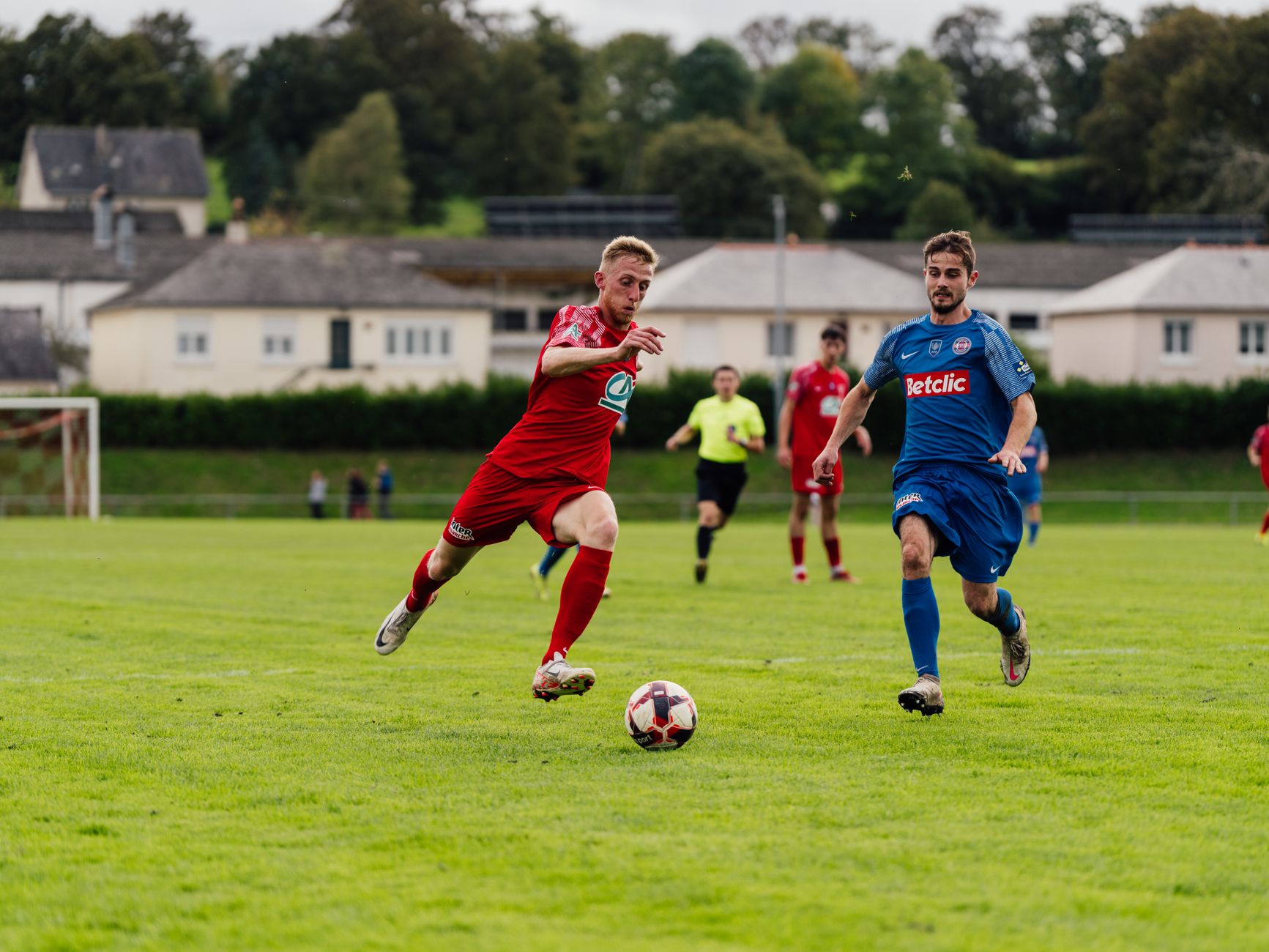
Photo by Bechir Lachiheb on Pexels
See the details behind smarter match selection.
Step 3: Why should you distrust kickoff times and TV labels?
Kickoff times and TV labels can be misleading because they may reflect a provider’s time zone, schedule feed, or broadcast plan rather than your local viewing reality. Always verify the date, time, network, and stream status with at least two reliable sources before acting.
The third mistake is assuming that a displayed time is the match time you personally need. ESPN’s college football schedule, for example, may show specific early-hour times, TV networks such as NBC or CBSSN, and stadium details like Fargodome in Fargo, North Dakota. OneFootball, meanwhile, may emphasize whether a match is watchable or live now. Neither format is inherently wrong, but each solves a different user problem. A bettor needs synchronization: the kickoff time in local time, the market cut-off time at the sportsbook, and the team-news release window. This is where many casual football today users lose precision. A 12:00 AM listing can be a calendar trap, especially when an international venue such as Aviva Stadium in Dublin is involved. A TV tag also does not guarantee universal access; rights differ by region and device. According to the Federal Communications Commission, broadcast availability can vary by provider and market, which is why checking only one TV column is not enough.
Use this three-source verification pattern:
- Match platform: OneFootball, FIFA, UEFA, ESPN, or league website
- Broadcaster or rights holder: NBC, CBSSN, FOX, local provider, or official stream
- Betting market: sportsbook time stamp, odds update, and suspended-market status
For tactical previews tied to verified fixtures, visit our [Internal Link: team tactics and lineup analysis].
Step 4: How do you read odds without overreacting?
Read odds as market information, not prophecy. A line such as TCU -6.5 or USC -35.5 reflects collective pricing at a moment in time, but it can shift after injuries, weather updates, travel news, or lineup confirmation.
The fourth mistake is believing that the biggest favorite is the safest pick. It often is not. A -35.5 college football spread creates a completely different betting question than a -6.5 spread. The stronger team can win comfortably and still fail to cover, especially if second-string players enter early or the coach manages risk. In football today coverage, market context matters more than raw team reputation. The same logic applies to FIFA World Cup 2026 matches, where a famous national team may rotate after qualification, conserve key players, or play for goal difference rather than entertainment. One under-discussed edge: compare the first listed line with the current line and note whether the move happened before or after lineup news. If USC opens -31.5 and moves to -35.5 before injury confirmation, the move may be speculative; if it moves after confirmed quarterback news, the signal is stronger. Goal Moments uses this timing distinction because it separates narrative steam from information-driven steam.
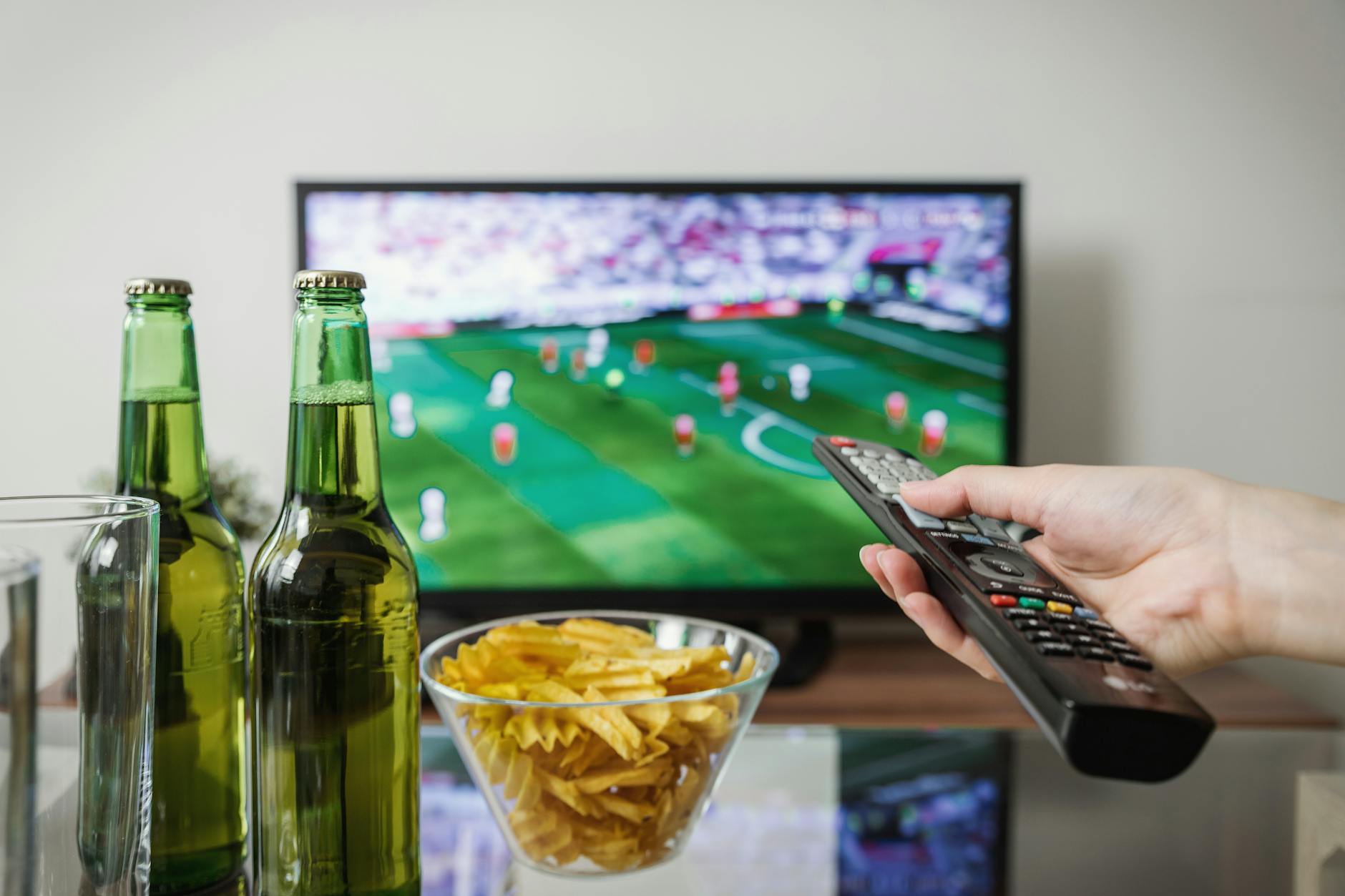
Photo by JESHOOTS.com on Pexels
When reading football today odds, separate them into three layers:
- Price: spread, moneyline, total, or handicap
- Timing: opening line, current line, and closing movement
- Cause: injury, weather, lineup, travel, rest, or public betting pressure
Get started with more disciplined odds interpretation.
Step 5: verification
Verification is the step most football today guides mention last and treat lightly. That is backwards. Verification should happen before you share a pick, place a bet, or schedule your viewing window, because one stale data point can invalidate the entire decision. In 2026, a serious football workflow should compare OneFootball-style match status, ESPN-style schedule metadata, official competition pages, and sportsbook market locks. The International Betting Integrity Association notes that suspicious betting activity is monitored through regulated-market cooperation; its integrity model reinforces a simple lesson for users: reliable data sources matter. Its public materials state that monitoring is built around “regulated betting operators,” a reminder that anonymous tips and social media screenshots are weak evidence. The best bettors do not just ask who is playing today. They ask whether the match, market, and media data agree.
A reliable verification routine looks like this:
- Confirm the match exists on an official or major provider schedule.
- Convert kickoff time to your local time zone.
- Check whether the game is live, watchable, postponed, or final.
- Compare opening and current odds.
- Confirm venue, weather, and travel context.
- Review injury news and expected lineups.
- Only then decide whether the match is worth betting or watching.
For match-day preparation, bookmark our [Internal Link: live football betting checklist].
Troubleshooting common failures
The most common football today failures are stale schedules, wrong time zones, unavailable broadcasts, suspended betting markets, and overconfident reads on incomplete odds. The fix is not more scrolling; it is a repeatable verification system that eliminates bad inputs before they become bad decisions.
Here is the skeptical conclusion: most match-day problems are not caused by lack of information, but by unranked information. Fans often give the same weight to a live-score app, a social media rumor, an old TV guide, and a current sportsbook market. That is a mistake. If OneFootball says a match is live, ESPN lists a different time window, and your sportsbook has suspended betting, the suspended market may be the strongest signal that something material changed. Likewise, if a World Cup fixture appears on a calendar but the team has not confirmed rotation, a prediction should be treated as provisional. Goal Moments favors a refined position: use football today pages for discovery, but use official fixtures, verified broadcasts, and market movement for decisions. That is less exciting than a hot take, but it is more durable.

Photo by Darya Sannikova on Pexels
Common failures and fixes:
- Wrong kickoff time: Recheck local time zone and official competition page.
- Missing stream: Confirm regional rights before match day.
- Odds disappear: Wait; suspended markets often indicate team news or technical review.
- Conflicting venue data: Prioritize official league, FIFA, UEFA, or ESPN venue listings.
- Too many matches: Cut the board to leagues and teams you can evaluate properly.
For broader tournament coverage, explore our [Internal Link: 2026 World Cup daily insights].
Ready to make football today decisions with cleaner data?
Frequently Asked Questions
Q: What does football today mean?
A: Football today means the complete set of matches, live scores, broadcasts, and betting markets available on the current date. It can include FIFA World Cup 2026 fixtures, club matches, international friendlies, and ESPN college football games depending on region. The key is to define “today” by your local time zone and verify the match status before acting.
Q: How do I check football today matches accurately?
A: Check football today matches by comparing at least two schedule sources and one official or market source. Start with OneFootball or ESPN, then confirm with FIFA, a league website, broadcaster, or sportsbook listing. Make sure the kickoff time, venue, live status, and odds all match before you place a bet or plan viewing.
Q: What is the difference between live scores and match schedules?
A: A match schedule tells you what is planned, while live scores show what is happening now or what has already happened. Schedule pages are useful for planning, but live-score pages are better for in-play status, red cards, goals, and stoppage time. Bettors should use both because a scheduled match can be postponed, delayed, or suspended.
Q: Is football today betting worth it?
A: Football today betting can be worthwhile only when the data is verified and the market still offers value. Betting every listed match is usually a losing habit because many games lack lineup clarity or stable odds. A better approach is to reduce the board, track line movement, and bet only when your analysis disagrees with the price.
Q: Why do football today odds change before kickoff?
A: Football odds change before kickoff because sportsbooks react to injuries, weather, lineup news, public betting, and professional market action. A move from -31.5 to -35.5 can reflect real information or speculative pressure. Always check when the move happened and whether it followed confirmed news.
Q: What should I do if a football today stream does not work?
A: If a football today stream does not work, confirm that the match is actually available in your region and that the listed broadcaster has rights. Some TV labels apply only to specific countries, providers, or subscription packages. Check the official broadcaster, app availability, and kickoff status before assuming the listing is wrong.
Thank you for reading.
Goal Moments · Editorial Archive · No. 01