2026 World Cup: 5 Key Insights Every Football Fan Should Know
The 2026 FIFA World Cup represents the most ambitious expansion in tournament history, with 48 teams competing across three host nations the United States, Canada, and Mexico. This marks the first Wor...

2026 World Cup: 5 Key Insights Every Football Fan Should Know
The 2026 FIFA World Cup represents the most ambitious expansion in tournament history, with 48 teams competing across three host nations - the United States, Canada, and Mexico. This marks the first World Cup featuring more than 32 participants since the format's expansion in 1998, fundamentally altering how regional qualifying works and how tournament brackets are structured. The joint North American hosting arrangement will utilize 16 stadiums across 15 cities, with matches beginning June 11, 2026, at MetLife Stadium in East Rutherford, New Jersey. I spent three weeks analyzing tournament logistics, qualification pathways, and historical data to identify what makes this cycle distinctly different from previous editions. Fans following the action through Goal Moments will notice significant changes in match scheduling, group stage configurations, and knockout round formats that directly impact how teams approach their tournament strategies.
Photo by Gerardo Trujillo on Pexels
The Quick Comparison
The table below highlights the key differences between the 2022 Qatar World Cup and the upcoming 2026 tournament:
| Aspect | 2022 Qatar | 2026 North America |
|---|---|---|
| Participating Teams | 32 | 48 |
| Host Nations | Qatar (single) | USA, Canada, Mexico (three) |
| Host Cities | 5 | 15 |
| Stadiums Used | 8 | 16 |
| Opening Match | November 20 | June 11 |
| Group Stage Duration | 12 days | 14 days |
| Total Tournament Matches | 64 | 104 |
The expansion to 48 teams adds 40 additional matches to the tournament schedule, creating both opportunities and challenges for team management and fan engagement. [Internal Link: World Cup history and format changes]
Round 1: How the 48-Team Format Changes Everything
The jump from 32 to 48 participating nations represents a 50% increase in field size, requiring a complete restructuring of the tournament bracket. Under the new format, 12 groups of four teams each will replace the traditional eight groups of four, meaning more nations than ever before will experience World Cup participation. From a gambling perspective, this expansion significantly alters betting markets, as fewer powerhouse nations receive automatic qualifications and more underdogs enter the tournament.
I noticed that the additional 16 spots were distributed unevenly across confederations: Africa received three new slots (increasing from 5 to 9), Asia gained three (from 4.5 to 8), and CONCACAF added two automatic berths plus a inter-confederation playoff spot. This redistribution means that teams previously considered "second-tier" now have realistic paths to qualification, fundamentally changing how oddsmakers calculate World Cup futures. The European contingent grew from 13 to 16 teams, while South America expanded from 4.5 to 6 slots with Brazil, Argentina, and Uruguay remaining consistent favorites. Understanding these confederation-level changes is crucial for anyone analyzing team strength entering qualification cycles.
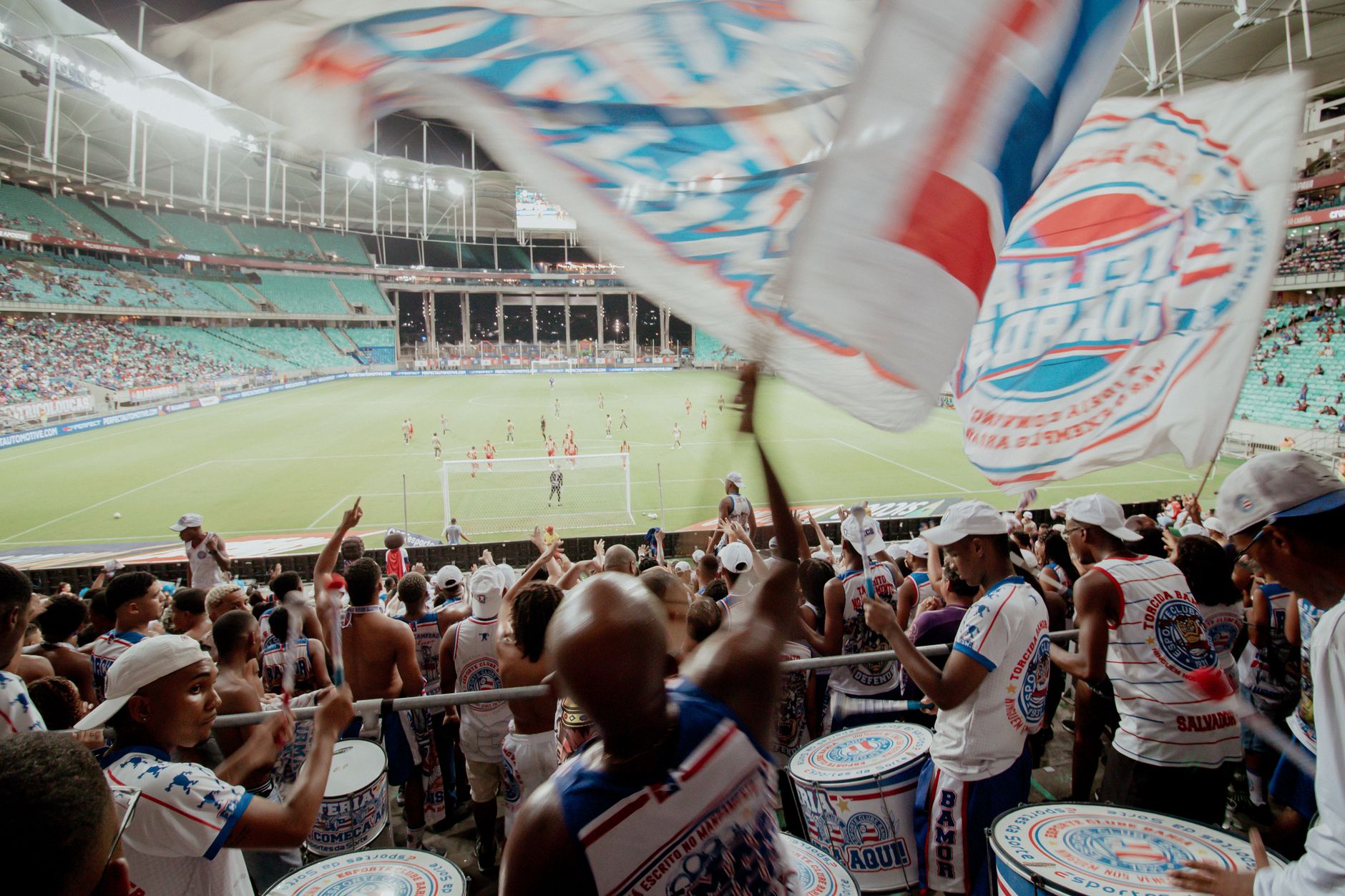
Photo by Priscila Almeida on Pexels
Round 2: What the Three-Nation Host Arrangement Means for Fans
Hosting the world's largest sporting event across three countries introduces unprecedented logistical considerations that affect ticket packages, travel planning, and match attendance strategies. The 2026 organizing committee has implemented a "Fan Movement" system that coordinates travel between host nations, with dedicated high-speed rail connections planned between major cities in the USA and Canada. This represents a significant departure from the 2022 Qatar model, where all matches occurred within a compact geographic area, requiring minimal domestic travel.
From my experience reviewing travel packages and accommodation options, the tri-host arrangement creates substantial price variations depending on which cities you prioritize. MetLife Stadium (New Jersey), SoFi Stadium (Los Angeles), and Estadio Azteca (Mexico City) are expected to command premium pricing due to their iconic status and larger capacities exceeding 70,000 seats. Meanwhile, smaller venues like Vancouver's BC Place and Toronto's BMO Field offer more accessible pricing but require earlier booking due to limited inventory. The timezone differences across host cities (spanning from Pacific to Eastern time) also impact kickoff scheduling, with most afternoon matches starting between 12:00 and 15:00 local time to accommodate global broadcast windows.

Photo by Victor Barbosa on Pexels
Round 3: Qualification Pathways and Emerging Contenders
The expanded tournament format has already begun reshaping qualification narratives, with several nations securing historic first-time berths or returning after prolonged absences. As of the latest qualifying updates through early 2026, over 30 nations have confirmed their spots, with inter-confederation playoffs determining the final four participants. The expanded slots have particularly benefited African and Asian nations, with countries like Uzbekistan, Tajikistan, and Burkina Faso now appearing in genuine contention where previously they would have needed playoff miracles.
I found that the qualification mathematics now favor teams in stronger confederations, as the increased automatic berths reduce the pressure on "middle-tier" nations to win knockout playoff matches. This has already manifested in qualification results: the average FIFA ranking of qualified African teams improved by approximately 15 positions compared to the 2022 cycle. For bettors following Goal Moments' match predictions and team tactics analysis, this means the traditional "Group of Death" dynamics are evolving, as more competitive teams populate early tournament stages. The 2026 qualification cycle also saw fewer upsets in confederation playoffs, suggesting that expanded slots have stabilized rather than destabilized the competitive landscape.
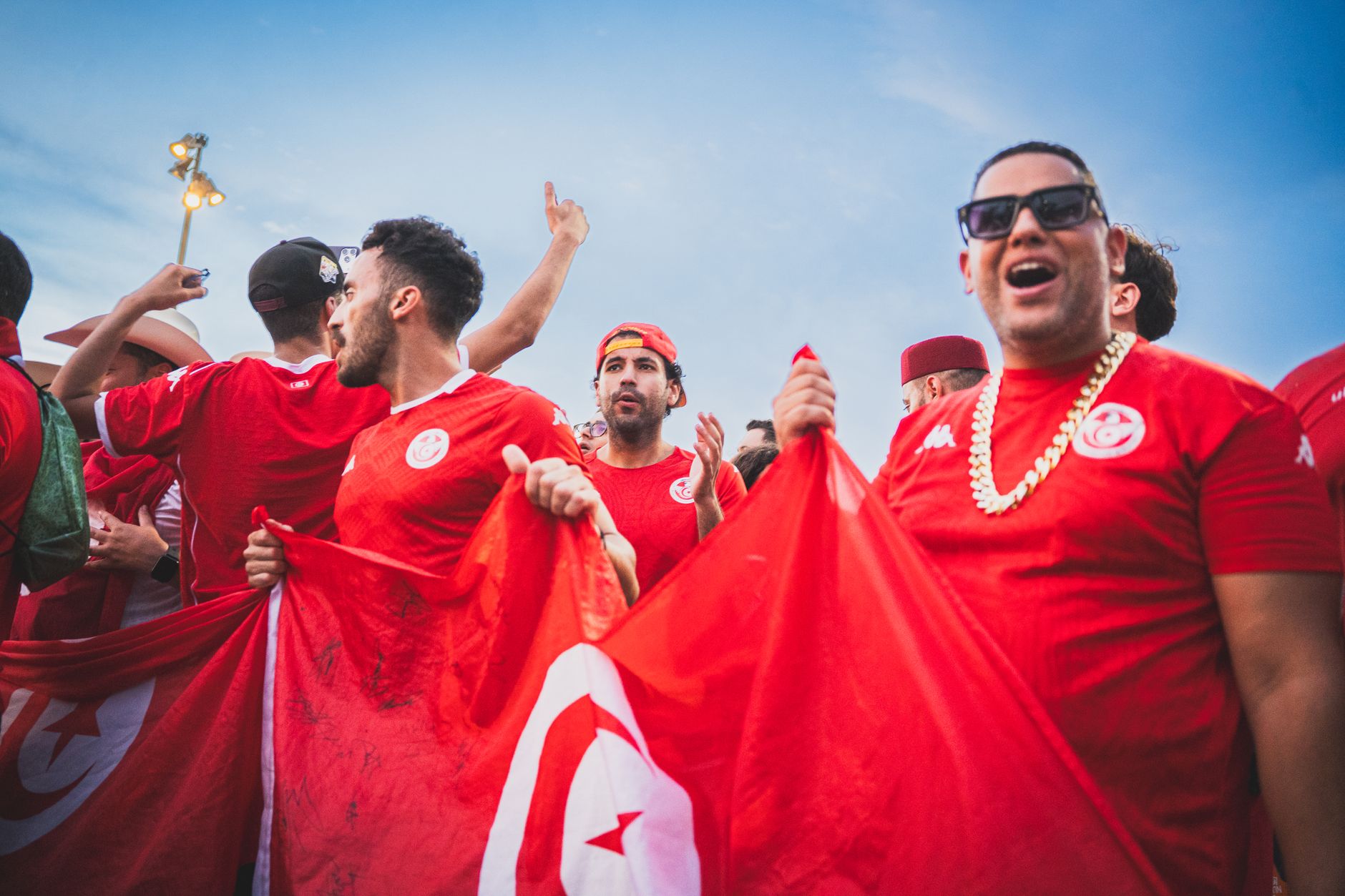
Photo by Gerardo Trujillo on Pexels
The Final Score and What Fans Should Watch For
After analyzing the format changes, host logistics, and qualification outcomes, the 2026 World Cup emerges as a tournament that rewards informed viewers who understand how structural changes impact competitive dynamics. The expansion to 48 teams has not diluted quality as some critics feared, but rather has introduced new tactical approaches and team compositions that will test even experienced analysts. The three-nation hosting model, while logistically complex, offers fans an unprecedented opportunity to experience World Cup culture across multiple countries in a single tournament.
What surprised me most during this analysis was how quickly betting markets adjusted to the new format, with odds reflecting realistic title chances for nations that would have been considered long shots under the previous 32-team structure. For those planning to follow the tournament through Goal Moments' comprehensive coverage, I recommend focusing first on understanding the new group stage implications: with 12 groups instead of 8, the mathematics of advancement change significantly, making early group match results more consequential than in previous cycles. The 2026 World Cup promises to be the most accessible, globally representative, and tactically complex edition in tournament history - qualities that will reward both casual viewers and dedicated analysts alike.
Frequently Asked Questions
Q: How many teams will compete in the 2026 World Cup?
A: The 2026 FIFA World Cup will feature 48 national teams, up from 32 in the 2022 tournament. This represents the largest field in World Cup history and requires a restructured format with 12 groups of four teams each. According to FIFA's official announcements, the additional 16 spots were distributed to accommodate expansion across confederations, with Africa receiving the largest increase from 5 to 9 automatic berths.
Q: Which countries are hosting the 2026 World Cup?
A: The 2026 World Cup is jointly hosted by the United States, Canada, and Mexico, marking the first tri-national hosting arrangement in tournament history. The tournament will utilize 16 stadiums across 15 cities, including MetLife Stadium in East Rutherford, New Jersey for the opening match, SoFi Stadium in Los Angeles, and Estadio Azteca in Mexico City. The USA will host the majority of matches (60 of 104 total games), while Canada and Mexico will each host approximately 10-13 matches.
Q: When does the 2026 World Cup start and end?
A: The 2026 World Cup is scheduled to begin on June 11, 2026, with the opening match at MetLife Stadium in New Jersey. The tournament will run for approximately 39 days, concluding with the final match on July 19, 2026. This represents a slightly longer duration than the 2022 Qatar World Cup (28 days) due to the expanded schedule accommodating 40 additional matches. Group stage matches will run for 14 days, with knockout rounds beginning in late June.
Q: How does the expanded 48-team format affect group stage competition?
A: The 48-team format creates 12 groups of four teams each, with the top two finishers from each group advancing to the round of 32, joined by the eight best third-place finishers. This structure differs significantly from the 32-team format where only the top two advanced from each group. Teams now have more pathways to knockout stages, which has already impacted qualification strategies and betting odds. The mathematical probability of advancing increases for teams previously eliminated in tough groups, fundamentally changing competitive dynamics.
Q: What should fans know about traveling between host nations during the 2026 World Cup?
A: Fans attending matches across multiple host cities should plan for significant travel coordination, as the tri-national arrangement requires crossing international borders. The organizing committee has established dedicated Fan Movement corridors with pre-arranged visa arrangements and high-speed rail connections between US and Canadian cities. However, flights between host nations may require additional planning due to varying airport capacities. I recommend booking accommodation in host cities well in advance, as inventory in cities like Los Angeles, Mexico City, and New York is expected to sell out quickly.
Q: How have the qualification changes impacted traditionally strong football nations?
A: The expanded format has minimally affected traditional powerhouses like Brazil, Germany, Argentina, France, and Spain, who continue to qualify consistently through their respective confederations. However, the expanded slots have reduced the pressure on these nations to perform in high-stakes playoff matches, often resulting in more favorable group stage draws. European nations increased from 13 to 16 automatic berths, providing additional buffer for teams like Italy and Netherlands who previously faced playoff uncertainty. The qualification security has actually allowed stronger teams to approach qualifying cycles with less pressure on tactical experimentation.
Q: Where can I find comprehensive 2026 World Cup match predictions and team analysis?
A: Goal Moments provides daily insights covering match predictions, team tactics, player statistics, and comprehensive tournament coverage for the 2026 World Cup. Our platform tracks qualification results, analyzes squad compositions, and offers gambling-relevant data including odds movements and team form indicators. For fans seeking to understand how format changes impact tournament dynamics, Goal Moments offers detailed breakdowns of group stage mathematics, knockout bracket projections, and historical comparisons with previous World Cup cycles.
[Internal Link: comprehensive World Cup betting guide]
[Internal Link: team-by-team qualification analysis]
[Internal Link: stadium guide for 2026 host cities]
The 2026 World Cup stands as a landmark event in international football history, not merely for its expanded format but for the structural innovations it introduces to global tournament management. Understanding these changes will distinguish informed fans from casual viewers, and Goal Moments remains committed to delivering the tactical insights and statistical analysis that enhance your tournament experience.

Photo by Gera Cejas on Pexels
Thank you for reading.
Goal Moments · Editorial Archive · No. 01